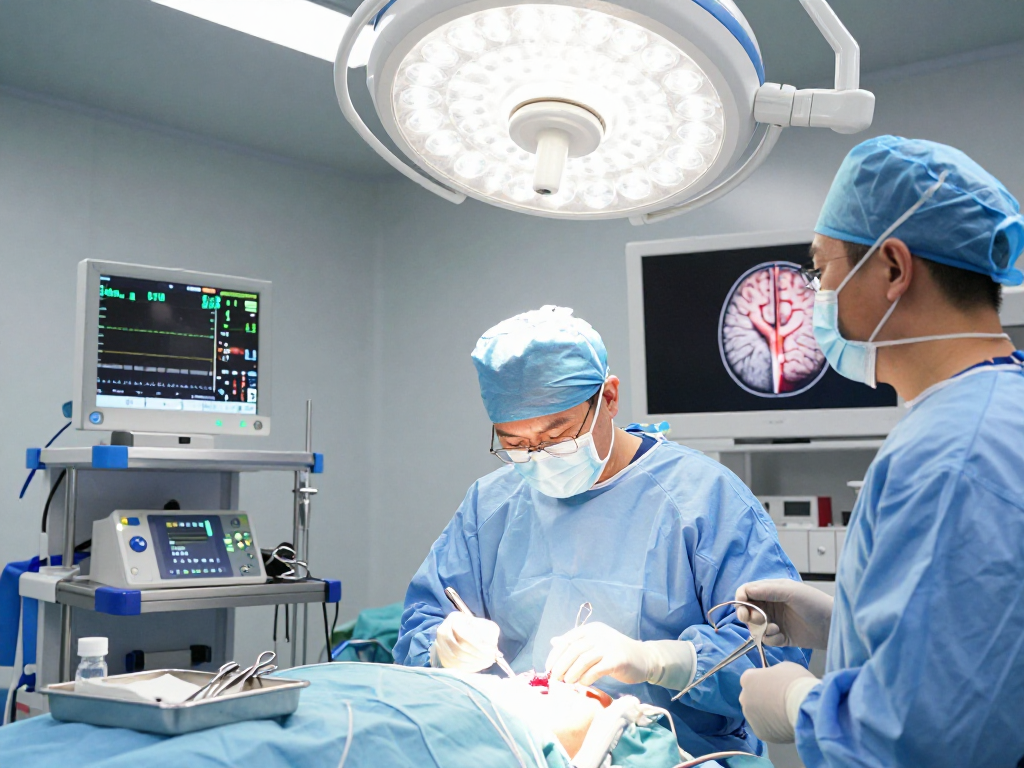
Understanding Beyin Tümörü Ameliyatı
Brain tumor surgery, or beyin tümörü ameliyatı, is a critical procedure that can be life-saving for individuals diagnosed with both benign and malignant brain tumors. The complexity of this surgery demands a deep understanding of various factors, including the tumor's type, location, and the overall health of the patient. In recent years, advancements in medical technologies and surgical methods have significantly improved the safety and efficacy of these operations. Patients seeking information about brain tumor surgery will find that thorough preparation, informed decision-making, and understanding the surgical process can greatly influence outcomes. For comprehensive insights, visit beyin tümörü ameliyatı resources.
What is a Brain Tumor Surgery?
Brain tumor surgery is a surgical procedure to remove tumors from the brain. The procedure can involve different techniques depending on the tumor's location, size, and type. The surgery aims to completely remove the tumor while minimizing damage to surrounding healthy brain tissue. The decision to proceed with surgery is made based on multiple factors, including the patient's symptoms and the tumor's impact on brain function.
Types of Brain Tumors and Their Treatment
There are various types of brain tumors, each requiring specific treatment approaches:
- Meningiomas: Usually benign and originate from the meninges, the layers surrounding the brain.
- Gliomas: These tumors arise from glial cells and can be aggressive, such as glioblastomas.
- Metastatic tumors: These are secondary tumors formed from cancer cells spreading from other parts of the body.
Each type of tumor may require a unique approach, including surgical excision, radiation therapy, or chemotherapy. A multidisciplinary team typically collaborates to devise the most effective treatment plan for each patient.
Common Myths About Surgery
Despite advancements in technology, misconceptions about brain tumor surgery persist. For instance, many believe that all brain surgeries involve significant risks and guaranteed adverse outcomes. While risks are indeed present, the success rate of modern surgical techniques is considerably high, and many patients experience significant improvements in their quality of life post-surgery.
Preparing for Beyin Tümörü Ameliyatı
Preparation for brain tumor surgery involves careful planning and assessments to ensure the best possible outcomes. Patients must undergo a thorough evaluation, including diagnostic imaging and consultations with specialists.
Preoperative Assessments and Tests
Before surgery, a series of tests are conducted to assess the patient's condition. These tests may include:
- Magnetic Resonance Imaging (MRI): Provides detailed images of the brain, helping to locate the tumor.
- CT Scans: Offers additional insights into the tumor's structure and its effect on surrounding tissues.
- Neurological Assessments: Evaluating cognitive and physical functions to establish a baseline.
Patient Preparation and Education
Education is crucial for patients and their families. Understanding the surgery process, potential outcomes, and recovery expectations can alleviate anxiety. Patients are encouraged to discuss any concerns with their healthcare team to ensure they feel confident in their surgical journey.
Understanding Risks and Benefits
Every surgical procedure carries inherent risks. Common risks associated with brain tumor surgery include infection, bleeding, and neurological deficits. However, the benefits—such as the potential to alleviate symptoms and improve longevity—often outweigh these risks. Thorough preoperative discussions help patients understand these aspects and make informed choices.
The Surgical Process of Beyin Tümörü Ameliyatı
The surgical process of brain tumor removal is intricate and requires skilled expertise. A clear understanding of each step helps patients prepare mentally and emotionally for the procedure.
Steps in the Surgery Procedure
The main steps in a typical brain tumor surgery include:
- Anesthesia: The patient is placed under general anesthesia for the duration of the procedure.
- Craniotomy: A section of the skull is removed to access the brain.
- Tumor Resection: The surgeon carefully removes the tumor using advanced microsurgical techniques.
- Closure: The skull is then closed, and the scalp is sewn back together.
Advanced Techniques Used in Surgery
Modern brain surgeries increasingly utilize advanced techniques such as:
- Intraoperative MRI: This technology allows surgeons to visualize the tumor during the procedure, allowing for more precise removal.
- Neuro-navigation: A GPS-like system that guides the surgeon to the tumor while minimizing damage to healthy tissue.
- Awake Surgery: In specific cases, patients may be awakened during the surgery to assess critical brain functions.
Role of Multidisciplinary Teams
The complexity of brain tumor surgeries necessitates a collaborative approach. A multidisciplinary team typically includes neurosurgeons, oncologists, radiologists, and rehabilitation specialists. This collaborative model ensures that all aspects of a patient’s care are addressed, from diagnosis through rehabilitation.
Postoperative Care and Recovery
The recovery phase is critical after brain tumor surgery. Proper postoperative care can significantly impact the patient's long-term health and quality of life.
Immediate Post-Surgical Monitoring
After surgery, patients are closely monitored in a recovery room or intensive care unit (ICU). Healthcare providers check for vital signs, neurological responses, and any potential complications.
Managing Pain and Complications
Effective pain management is crucial during recovery. Patients may receive medications to manage discomfort and prevent complications such as infection or bleeding. Clear communication about pain levels and any unusual symptoms can help healthcare providers address issues promptly.
Long-term Recovery Strategies
The road to recovery can vary significantly between patients. Rehabilitation may include physical therapy, occupational therapy, and counseling to aid in emotional recovery and cognitive functioning. Regular follow-up appointments are essential to monitor progress and detect any recurrence of tumor growth.
Future Trends in Beyin Tümörü Ameliyatı
As we move towards 2026, several innovative trends are emerging in brain tumor surgery that promise to enhance treatment outcomes.
Innovations in Surgical Techniques
Advancements in minimally invasive techniques are on the rise, allowing for safer and quicker recoveries. The use of robotics in surgery also presents opportunities for improved precision and patient outcomes.
Emerging Technologies in Neurosurgery
New imaging technologies and software innovations will further enhance the accuracy of tumor identification and removal, leading to personalized treatment plans tailored to each patient's unique circumstances.
Patient-Centric Approaches for 2026
As patient involvement in decision-making becomes increasingly important, healthcare providers are focusing on shared decision-making models that empower patients with knowledge and choices regarding their treatment pathways.
What Are the Signs of Surgical Complications?
Patients and their families should be educated on recognizing signs of complications, including severe headaches, persistent nausea, or neurological changes. Immediate medical attention is crucial if these symptoms arise post-surgery.
How Long Does Recovery Typically Take?
Recovery times vary widely, depending on the complexity of the surgery and the individual's health status. While some patients may return to normal activities within weeks, others may require several months of rehabilitation.
What Factors Affect Surgery Success?
Factors influencing surgical success include tumor type, size, location, patient age, and overall health. A thorough evaluation before surgery can help predict outcomes and tailor treatment strategies accordingly.
Are There Non-Surgical Alternatives?
In certain cases, non-surgical treatments such as radiation therapy or chemotherapy may be recommended, especially for patients with medically complex conditions or tumors that are difficult to access surgically. Evaluating all possible treatment options with a dedicated healthcare team is critical.
How to Choose the Right Neurosurgeon?
Selecting a qualified neurosurgeon can be daunting. For more information, beyin tümörü ameliyatı offers valuable insights. Patients should consider the surgeon's experience, the complexity of their specific case, and their overall approach to patient care. Seeking second opinions and thoroughly interviewing potential surgeons are advisable steps in this process.