
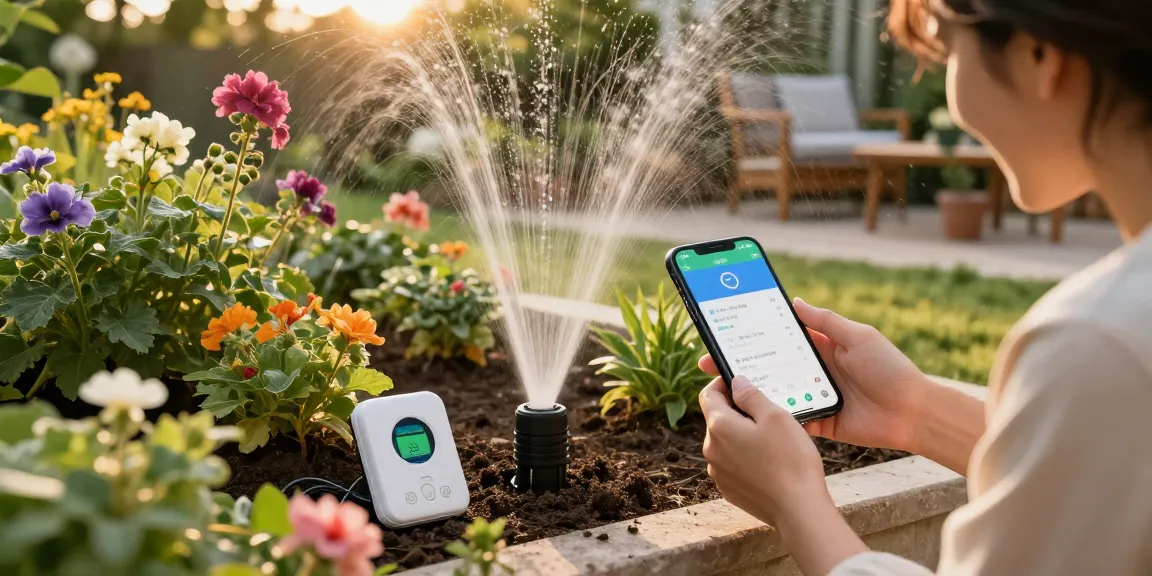
Understanding the wifi sprinkler controller
A wifi sprinkler controller is an innovative irrigation system designed to streamline the management of watering your gardens and lawns. By leveraging modern technology, these controllers allow homeowners to monitor and control their irrigation systems remotely through a smartphone app. This not only enhances convenience but also optimizes water usage, making it an essential tool for any gardening enthusiast interested in sustainability. When exploring options, wifi sprinkler controller solutions provide comprehensive insights into efficient irrigation practices.
What is a wifi sprinkler controller?
A wifi sprinkler controller is an advanced type of irrigation system that connects to your home’s wifi network, enabling you to manage your watering schedule via a mobile app or digital interface. These controllers can be set to automate watering based on specific parameters, such as time, weather conditions, and plant requirements. Recent models offer enhanced features like real-time weather updates, soil moisture sensors, and customizable watering schedules to ensure optimal performance.
How does it improve irrigation efficiency?
Efficient irrigation is crucial for healthy plant growth while conserving water. A wifi sprinkler controller minimizes water waste by allowing you to tailor your watering schedule to current weather conditions and soil moisture levels. This technology can significantly reduce over-watering, which is a common problem with traditional irrigation systems. By using precise data and advanced algorithms, these controllers help in delivering the right amount of water at the right time, resulting in healthier plants and lower water bills.
Key features to look for in a wifi sprinkler controller
- Smartphone Compatibility: The controller should have a user-friendly app that allows seamless integration with your smartphone.
- Weather-Responsive Scheduling: Look for controllers that adjust watering schedules based on real-time weather forecasts.
- Soil Moisture Sensors: These sensors monitor soil moisture levels, preventing under or over-watering.
- Multiple Zones Control: Ability to manage different zones independently based on their specific watering needs.
- Data Analytics: Access to water consumption data enables you to track usage and discover patterns over time.
Benefits of using a wifi sprinkler controller
Utilizing a wifi sprinkler controller can transform your gardening experience, offering numerous benefits that cater to both environmental and personal convenience. As awareness of water conservation grows, more homeowners are seeking ways to optimize their irrigation practices without sacrificing the health and vitality of their gardens.
Water conservation and sustainability efforts
Water conservation is at the forefront of sustainable gardening practices. By adopting a wifi sprinkler controller, you contribute to reducing water waste significantly. These controllers can automatically adjust watering schedules based on rainfall data, thereby preventing unnecessary irrigation. This not only saves money on water bills but also supports environmental sustainability by conserving water resources.
Simplifying garden maintenance for busy homeowners
For many, managing a garden amidst a busy lifestyle can be challenging. Wifi sprinkler controllers simplify the maintenance process by automating watering schedules and allowing for remote adjustments. Whether at work or away on vacation, you can rest easy knowing your garden is being taken care of without constant attention. This “set it and forget it” approach allows homeowners to focus on other tasks while their gardens thrive.
Real-time analytics and data tracking advantages
One of the standout features of a wifi sprinkler controller is its ability to provide real-time analytics regarding water usage. By tracking how much water is being utilized, homeowners can make informed decisions about their watering practices. This data can be invaluable for optimizing garden growth and understanding the specific needs of different plant types, ultimately leading to increased productivity and healthier gardens.
Setting up your wifi sprinkler controller
While the benefits of a wifi sprinkler controller are clear, setting one up may raise questions for new users. To help you navigate the installation process, here’s a straightforward guide to get your system up and running.
Step-by-step installation guide
- Gather Necessary Materials: Ensure you have all necessary tools, including the wifi sprinkler controller, connecting cables, and any additional sensors.
- Determine Placement: Choose a suitable location for your controller that is easily accessible to a power supply and within your wifi range.
- Connect the Hardware: Follow the manufacturer’s instructions to connect the controller to your existing irrigation system.
- Download the App: Download the corresponding app for your wifi sprinkler controller on your smartphone.
- Follow App Instructions: Open the app and follow the prompts to connect your controller to your wifi network. This process typically involves inputting your network information.
Connecting to your home’s wifi network
Connecting your wifi sprinkler controller to your home network is crucial for accessing its full functionality. The process generally involves selecting your network from a list in the app and entering your wifi password. Ensure that your home’s wifi signal is strong in the area where you plan to install the controller to avoid connectivity issues.
Integrating soil moisture sensors for optimal performance
For the most effective irrigation, consider integrating soil moisture sensors with your wifi sprinkler controller. These sensors provide real-time feedback about the moisture level in the soil, enabling the controller to water only when necessary. This not only conserves water but ensures that plants receive the right amount of hydration to thrive.
Best practices for maximizing your wifi sprinkler controller
To get the most out of your wifi sprinkler controller, it is important to utilize best practices in watering management. Here are some strategies to consider for effective irrigation:
Scheduling watering cycles effectively
Setting up watering schedules requires careful consideration of your garden’s needs. Factors such as climate, plant types, and soil conditions should all be assessed when creating a watering timetable. Most wifi sprinkler controllers allow you to customize schedules based on these parameters to ensure your plants receive adequate moisture.
Adapting settings seasonally for plant needs
As seasons change, so do the watering needs of your plants. In warmer months, they may require more frequent watering, while in cooler months, their needs may decrease. Adjusting the settings seasonally ensures optimal growth and reduces unnecessary water consumption.
Maintaining your irrigation system for longevity
Regular maintenance of your wifi sprinkler controller and irrigation system is essential for long-term performance. Check for clogs in hoses and ensure that the system is functioning correctly. Periodically review the settings and adjust them as needed based on any changes in your garden or local climate.
Future trends in smart irrigation technology
The field of smart irrigation technology is evolving rapidly, with new innovations continually enhancing garden management capabilities. Staying informed about these trends can help you maintain an efficient and effective irrigation system.
Emerging technologies enhancing garden management
Future developments in wifi sprinkler controller technology may include advanced sensor integration for better data accuracy, as well as AI-driven irrigation systems that learn and adapt over time. Enhanced connectivity options, such as integration with other smart home devices, can also increase the functionality and ease of use for homeowners.
Predictions for smart gardening solutions in 2026
By 2026, it is anticipated that smart gardening solutions will become more prevalent, with a focus on sustainability and energy efficiency. More homeowners will likely embrace automated systems that utilize predictive analytics for watering schedules, thereby promoting better water conservation practices across demographics.
How to stay informed about new developments
To keep up with advancements in smart irrigation technology, consider subscribing to industry newsletters, joining gardening forums, and following relevant social media groups. Engaging with online communities provides access to firsthand experiences, product reviews, and discussions on the latest innovations in smart gardening solutions.
Why choose a wifi sprinkler controller?
Choosing a wifi sprinkler controller can revolutionize your gardening routine. These controllers minimize water waste, provide convenience, and offer detailed insights into your water usage. For anyone seeking to balance horticultural passion with environmental responsibility, investing in a wifi sprinkler controller is a prudent and rewarding choice.
What are the challenges in setting up a wifi sprinkler controller?
While setting up a wifi sprinkler controller offers many benefits, it can come with challenges such as network connectivity issues, hardware compatibility, and learning to navigate the associated apps. However, many manufacturers provide comprehensive support resources and customer service to assist users throughout the installation process.
Can a wifi sprinkler controller save money on water bills?
Yes, by optimizing watering schedules and preventing over-watering, a wifi sprinkler controller can lead to significant savings on water bills. Users often report a noticeable decrease in their monthly water usage after implementing these efficient systems.
How do I troubleshoot common issues with wifi sprinkler controllers?
Common issues that may arise with wifi sprinkler controllers include connectivity problems, programming errors, and sensor malfunctions. Most issues can be resolved by consulting the user manual, checking for system updates, and ensuring that all components are functioning correctly. If problems persist, reaching out to customer support can provide valuable assistance.
Are wifi sprinkler controllers suitable for all garden types?
Wifi sprinkler controllers are versatile and can be adapted to various garden types, including vegetable patches, flower beds, and lawns. However, homeowners should assess their specific watering needs and consider the system’s compatibility with their existing irrigation infrastructure to ensure optimal performance.
