Understanding Cika4d and DAG Facilities
In the rapidly evolving field of indoor agriculture, innovative solutions are crucial for ensuring efficient production and sustainable practices. One standout option in this domain is cika4d, a platform designed to enhance the development and management of indoor farming facilities. Supported by DAG Facilities, Cika4d pairs modern design and construction practices to meet the demands of contemporary agricultural operations. This article explores the significance of Cika4d and the role of DAG Facilities in revolutionizing indoor agriculture.
What is Cika4d?
Cika4d is a cutting-edge application tailored for indoor agriculture, encompassing a wide range of functionalities, from design to implementation. Its primary aim is to simplify the complexities involved in creating optimal growing environments. By integrating advanced technology with user-friendly interfaces, Cika4d enables farmers to monitor and manage their facilities more effectively, ensuring a stable and productive crop yield.
The Role of DAG Facilities in Indoor Agriculture
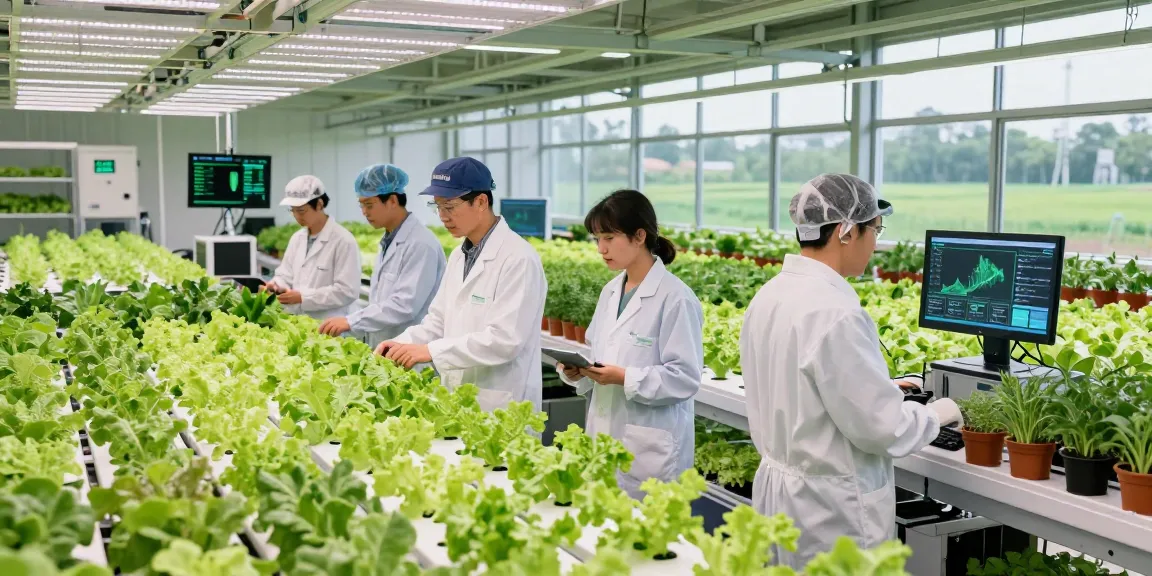
DAG Facilities plays a pivotal role in the indoor agriculture sector by providing comprehensive construction and design services. With a focus on sustainability and efficiency, DAG Facilities collaborates with producers to create tailored solutions that meet specific agricultural needs. Their expertise ensures that each facility is equipped with state-of-the-art systems for climate control, lighting, and ventilation, thus fostering an environment conducive to plant growth.
How Cika4d Stands Out in the Industry
What sets Cika4d apart from other solutions is its holistic approach to indoor agriculture. Unlike traditional methods that may overlook critical components, Cika4d emphasizes a seamless integration of technology and design principles. This results not only in increased productivity but also in reduced resource consumption, making it a sustainable choice for modern agricultural practices. Additionally, Cika4d continuously updates its features to adapt to industry trends and user feedback, ensuring it remains at the forefront of agricultural technology.
Key Features of Cika4d Solutions
Technological Innovations in Indoor Agriculture
At the core of Cika4d’s offering are its technological innovations that enhance indoor farming capabilities. The application supports a range of modern agricultural technologies such as:
- Automated Climate Control: This feature allows for precise management of temperature and humidity, tailoring conditions to specific crop needs.
- Advanced Lighting Systems: Utilizing LED technology, Cika4d optimizes light exposure to promote healthy plant growth and maximize yield.
- Data Analytics: The platform provides valuable insights through data collection and analysis, helping farmers make informed decisions.
Energy Efficiency and Sustainability Practices
In an era where sustainability is paramount, Cika4d incorporates features designed to minimize energy consumption and waste. By promoting practices such as vertical farming and efficient water usage, Cika4d helps to lower the environmental footprint of indoor agriculture. Implementing renewable energy sources within the design of facilities aligns with global sustainability goals, making Cika4d a responsible choice for environmentally conscious growers.
User-Friendly Interface for Monitoring and Control
Cika4d’s user interface is designed with the end-user in mind, making it accessible for operators of all experience levels. The intuitive dashboard allows users to monitor conditions, adjust settings, and analyze data effortlessly. This ease of use not only saves time but also empowers growers to respond quickly to any issues that may arise, ensuring optimal growing conditions are maintained.
Cost Factors in Cika4d Implementation
Initial Setup Costs for Indoor Farming Facilities
The initial investment in setting up Cika4d systems can vary significantly based on the scale and complexity of the project. Factors that influence these costs include:
- Facility Size: Larger facilities require more substantial investments in infrastructure and systems.
- Technology Choices: The selection of advanced features, such as automation and monitoring tools, can increase initial costs.
- Customization Needs: Tailored solutions may result in higher upfront expenses but can lead to significant savings in the long run through improved efficiency.
Ongoing Maintenance and Operational Expenses
Once the facility is operational, ongoing maintenance costs are a critical consideration. These may include:
- Energy Costs: Depending on the efficiency of the systems in place, energy consumption can range from minimal to significant.
- Labor Expenses: Hiring skilled personnel for monitoring and maintenance can add to the operational budget.
- Replacement Parts and Upgrades: As technology evolves, there may be a need for periodic upgrades to keep systems current.
Comparing Costs: Traditional vs. Cika4d Solutions
When evaluating the cost-effectiveness of Cika4d solutions against traditional farming methods, it becomes evident that while initial costs may be higher, the long-term savings realized through increased efficiency and reduced waste can outweigh these concerns. Traditional farming often incurs higher operational costs due to inefficiencies, while Cika4d’s innovative approach aims to deliver greater returns on investment.
Success Stories and Case Studies
Real World Applications of Cika4d
Numerous success stories highlight the effectiveness of Cika4d in real-world applications. For example, a recent project involved retrofitting an existing facility with Cika4d systems, resulting in:
- A 30% increase in crop yield within the first growth cycle.
- A 20% reduction in energy consumption due to optimized climate control.
- Improved air quality and reduced pathogen presence, leading to healthier plants and increased profitability.
Testimonials from Satisfied Clients
Clients utilizing Cika4d have shared their positive experiences, emphasizing how the application has transformed their operations. One client noted that “the user interface is so intuitive that even our less tech-savvy employees quickly adapted and began maximizing our facility’s potential.” Testimonials highlight not only the enhanced productivity but also the improvement in workforce satisfaction due to streamlined processes.
Measurable Benefits of Cika4d Systems
The measurable benefits of implementing Cika4d extend beyond immediate financial gains. These include:
- Long-term Crop Stability: Improved controls lead to consistent quality across all growth cycles.
- Reduction of Resource Waste: More efficient use of water and nutrients minimizes waste and environmental impact.
- Adaptability: Quickly adjust to changing market demands or climatic conditions through integrated data analytics.
Future Trends in Indoor Agriculture (2026 and Beyond)
Emerging Technologies Affecting Indoor Agriculture
As we look towards 2026 and beyond, several emerging technologies are anticipated to shape the future of indoor agriculture. These include:
- Artificial Intelligence: AI-powered systems for predictive analytics and resource management will become commonplace.
- Blockchain for Supply Chain Transparency: Ensuring traceability and authenticity in food production, enhancing market trust.
- Biotechnology Innovations: Advancements in genetics may allow for improved crop varieties that are more resistant to pests and diseases.
Predicted Market Growth and Opportunities
The indoor agriculture market is expected to experience robust growth, driven by an increasing demand for locally sourced food and sustainable practices. By 2026, the global market for indoor farming is projected to surpass $40 billion, offering numerous opportunities for investment and innovation. As consumer preferences shift towards organic and sustainable options, producers utilizing Cika4d are poised to capture significant market share.
Sustainability Goals and Environmental Impact
Looking ahead, sustainability will remain a primary focus within the indoor agriculture sector. Cika4d is designed to integrate seamlessly into sustainability initiatives, enabling producers to achieve their environmental objectives while maintaining high productivity levels. As regulatory pressures increase globally, adopting solutions like Cika4d will support compliance efforts and enhance public perception of indoor farming.
What are the advantages of using Cika4d for indoor agriculture?
Cika4d offers numerous advantages, including enhanced efficiency, reduced operational costs, and a user-friendly interface that simplifies farm management. Its ability to integrate with advanced technologies ensures that growers can stay ahead in a competitive market.
How does Cika4d enhance crop yield and efficiency?
By leveraging data analytics and optimized environmental controls, Cika4d maximizes crop yield and operational efficiency. These tools empower farmers to make data-driven decisions, leading to healthier plants and increased profitability.
What should I know about the cost of installing Cika4d systems?
Installation costs of Cika4d systems vary depending on facility size and customization needs. However, the investment is often offset by increased productivity and reduced waste in the long term.
Are there any financial incentives for using Cika4d technology?
Many governments and organizations offer financial incentives for adopting sustainable agricultural technologies. Producers should explore these opportunities to help offset initial costs associated with Cika4d implementations.
How do I get started with Cika4d for my indoor farming needs?
To begin, interested parties should consult with experts from DAG Facilities to assess their specific needs. From there, a tailored plan can be developed, incorporating Cika4d solutions that align with their goals.