The Allure of Tree House Living
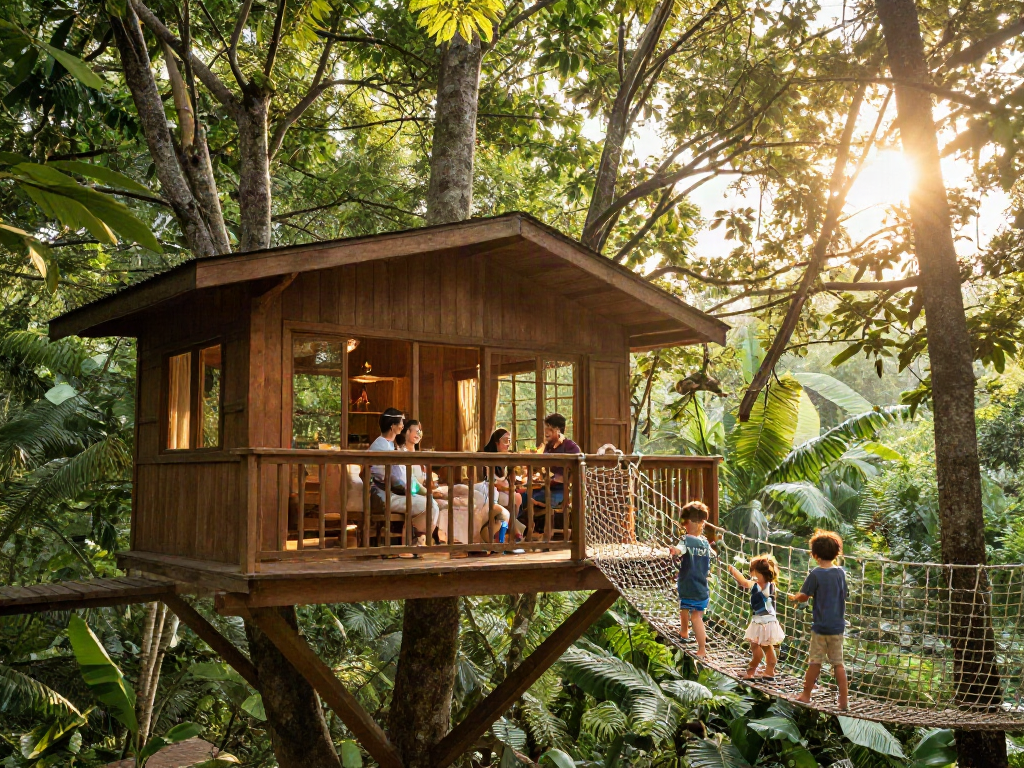
Embracing the tree house life offers a unique blend of adventure and tranquility, allowing individuals to reconnect with nature while enjoying modern comforts. The concept of living in a tree house may conjure up images of childhood dreams, but it has evolved into a viable lifestyle choice that appeals to many. From luxurious tree-top residences to whimsical playhouses, tree houses have captured the imaginations of homeowners, architects, and builders alike. As we delve into the fascinating world of tree house living, we will explore why this lifestyle is not just enchanting but also practical.
In the current landscape of sustainable living, tree houses provide an eco-friendly alternative to traditional homes. By utilising the natural environment, homeowners can reduce their carbon footprint and create a harmonious living space that promotes well-being. For enthusiasts looking to explore the possibilities, tree house life offers comprehensive insights into design, construction, and community connections.
Why Choose a Tree House Life?
Choosing to live in a tree house is often driven by a desire for a unique living experience and a chance to live closer to nature. With the increasing urbanisation and the hustle of city life, many are seeking an escape that tree house living can provide. This lifestyle fosters a sense of peace and serenity, allowing residents to enjoy the sounds of rustling leaves and birds singing.
- Connection to Nature: Living in a tree house immerses you within a natural environment, offering breathtaking views and a tranquil atmosphere.
- Creative Expression: Tree houses can be custom-designed to reflect personal aesthetics, encouraging creativity in both architecture and interior design.
- Enhanced Quality of Life: The unique structure promotes a more active lifestyle, as accessing tree houses often involves climbing stairs or ladders.
Benefits of Elevated Living Spaces
Elevated living not only offers stunning vistas but also provides several practical advantages. Tree houses are often built off the ground, which can help mitigate issues associated with flooding or dampness. Additionally, their elevated structures can enhance natural ventilation and light exposure, contributing to a healthier living environment.
- Increased Airflow: Elevated spaces benefit from natural breezes, reducing the need for air conditioning.
- Naturally Insulated: Trees provide shade during hot months and shelter from cold winds in winter, making tree houses more energy-efficient.
- Unique Design Opportunities: The integration of natural elements allows for innovative building practices, promoting sustainability.
Treehouse Life: A Sustainable Lifestyle Choice
As sustainability becomes increasingly paramount, tree house living stands out as an eco-friendly choice. By using sustainable materials and building practices, homeowners can create energy-efficient structures that have minimal environmental impact. For those interested in an environmentally conscious lifestyle, this could be an ideal path.
- Use of Reclaimed Wood: Many tree houses are constructed using reclaimed or recycled materials, reducing the demand for new resources.
- Solar Power Options: Incorporating solar panels can make tree houses self-sufficient, providing renewable energy.
- Minimal Footprint: Tree houses often occupy less land than traditional homes, preserving the surrounding habitat.
Designing Your Dream Tree House
Creating your dream tree house involves careful planning and creativity. Whether you envision a sleek modern design or a rustic retreat, there are several key considerations to keep in mind to ensure your tree house meets both aesthetic and functional requirements.
Key Considerations for Tree House Design
When embarking on the design process, several factors should be taken into account:
- Location: Choose a site that offers stability and accessibility while also providing beautiful views.
- Tree Selection: Opt for strong, healthy trees that can support the structure without causing damage.
- Design Style: Consider how the design can blend with the natural surroundings while also reflecting your personal style.
Incorporating Natural Elements
Integrating natural elements into your tree house design can enhance its appeal and sustainability. Features such as large windows can create a seamless connection between the interior and the outdoors, while natural materials can enhance the warmth and character of the space.
- Natural Light: Large windows and skylights can maximise daylight, reducing the need for artificial lighting.
- Green Roofs: Installing a green roof can support biodiversity and improve insulation.
- Earthy Colours: Using a palette inspired by nature can help the structure blend harmoniously with its surroundings.
Innovative Features for Modern Tree Houses
Today's tree houses are not just about being elevated; they incorporate innovative features that enhance their livability. Consider the following:
- Eco-Friendly Appliances: Energy-efficient appliances reduce energy consumption while providing modern conveniences.
- Smart Home Technology: Integrating smart home technology can enhance comfort and security.
- Flexible Spaces: Designing multifunctional areas helps maximise limited space, making living easier and more enjoyable.
Building and Construction Tips
Constructing a tree house demands expertise and careful attention to detail. Whether you choose to build it yourself or hire a professional, certain essential materials and safety measures must be prioritised to ensure a successful build.
Essential Materials for Tree House Construction
The choice of materials plays a crucial role in the durability and aesthetic appeal of your tree house. Some key materials to consider include:
- Cedars and Redwoods: These woods are naturally resistant to decay, making them ideal for outdoor structures.
- Composite Materials: Using composite decking can provide longevity while reducing maintenance needs.
- Steel or Reinforced Brackets: For structural integrity, ensure that heavy-duty brackets are used to secure the tree house to the tree.
Safety Measures and Regulations
Safety should always be a priority in tree house construction. Before beginning the project, it is vital to check local regulations, building codes, and safety guidelines:
- Permits: Investigate whether building permits are required in your area.
- Load-Bearing Capacity: Have a structural engineer assess the load-bearing capacity of the trees selected for your build.
- Sturdy Access: Ensure that ladders or stairs are secure and properly maintained.
DIY vs. Professional Builders: Making Your Choice
Choosing between a DIY build and hiring professionals is a significant decision that depends on various factors, including budget, skill level, and project scope. Weighing the pros and cons of both options can help you make the right choice:
- DIY: Offers flexibility and personalisation, but requires time and building skills.
- Professional Builders: Ensure quality craftsmanship and adherence to safety regulations but may come at a higher cost.
Creating a Functional Tree House Space
Once the construction is complete, designing the interior and outdoor spaces is essential to create a functional living area that meets your needs.
Maximising Space in Your Tree House
Efficient use of space is crucial in tree house design, particularly as the square footage is often limited. Consider these strategies for maximising functionality:
- Multi-Purpose Furniture: Use furniture that serves multiple functions, such as storage beds or fold-out tables.
- Bespoke Built-Ins: Custom built-in shelving or desks can save space while adding character.
- Loft Areas: Incorporate lofted areas for sleeping or storage without sacrificing floor space.
Interior Design Ideas for Tree House Living
Interior design in a tree house can reflect your personality while embracing the surrounding natural beauty. Here are some ideas to consider:
- Natural Textures: Incorporate elements like rattan, wood, and stone to enhance warmth.
- Earthy Tones: Use colours inspired by nature to create a calming atmosphere.
- Plants: Adding indoor plants can improve air quality and add life to the space.
Connecting with Nature: Outdoor Spaces
Outdoor spaces are an extension of your tree house living area. Creating functional and inviting outdoor spaces can enhance your experience:
- Decks and Balconies: Provide outdoor seating areas for relaxation and entertaining.
- Garden Space: Incorporating gardens or native plants can enhance biodiversity and create a peaceful environment.
- Hammocks and Loungers: Comfortable outdoor seating allows for relaxation while enjoying nature.
Life After Moving into a Tree House
Adjusting to tree house life can be an exciting yet challenging experience. Understanding what to expect can help ease the transition and enhance your enjoyment of this unique lifestyle.
Adjusting to Tree House Life
Living in a tree house may require some adjustments, particularly concerning space and daily routines. Here are some tips to help you settle in:
- Embrace Minimalism: With limited space, adopting a minimalist lifestyle can help you focus on what matters most.
- Establish Routines: Developing daily routines can provide structure and enhance your enjoyment of the space.
- Explore the Surroundings: Take time to engage with your natural surroundings and appreciate the beauty of elevated living.
Community and Connection in Elevated Living
Tree house living can also foster a sense of community. Engaging with others who share this lifestyle can provide support and inspiration:
- Local Workshops: Participate in workshops or gatherings to learn from experienced tree house dwellers.
- Social Media Groups: Join online communities dedicated to tree house living for inspiration and advice.
- Environmental Initiatives: Get involved in local projects that promote sustainability and environmental stewardship.
Maintaining Your Tree House for Longevity
Regular maintenance is essential to ensure the longevity of your tree house. Here are some practices to consider:
- Inspect Regularly: Regularly check for signs of wear or damage, particularly in wood and connectors.
- Seasonal Upkeep: Prepare your tree house for seasonal weather changes by cleaning gutters and inspecting roofs.
- Protect Against Pests: Implement pest management strategies to prevent infestations.
What are the main challenges of tree house living?
While tree house living offers numerous benefits, it also presents challenges that potential residents should consider. These may include issues with insulation, the need for structural integrity, and accessibility concerns. Understanding these challenges can help you prepare and mitigate potential issues.
How can I ensure my tree house is safe?
Safety in a tree house is paramount. Ensuring that the structure is securely anchored and regularly maintained is vital. Additionally, both interior and exterior access points should be equipped with safety features such as railings and proper lighting.
What are the best materials for building a tree house?
Utilising durable, weather-resistant materials like cedar, redwood, and treated plywood can enhance the lifespan of your tree house. Employing sustainable materials not only benefits the environment but also contributes to the overall aesthetic of the structure.
Can I live in a tree house full-time?
Living full-time in a tree house is possible, provided that it meets local building codes and safety regulations. Ensuring that amenities such as plumbing, electricity, and heating are properly installed and maintained is crucial for comfortable year-round living.
What are innovative trends in tree house designs for 2026?
As we move into 2026, tree house designs are likely to embrace more eco-friendly practices, such as using renewable materials and incorporating sustainable technology like rainwater harvesting systems and smart home devices. Aesthetic trends will continue to favour organic shapes that mimic natural forms, enhancing the overall connection with the environment.