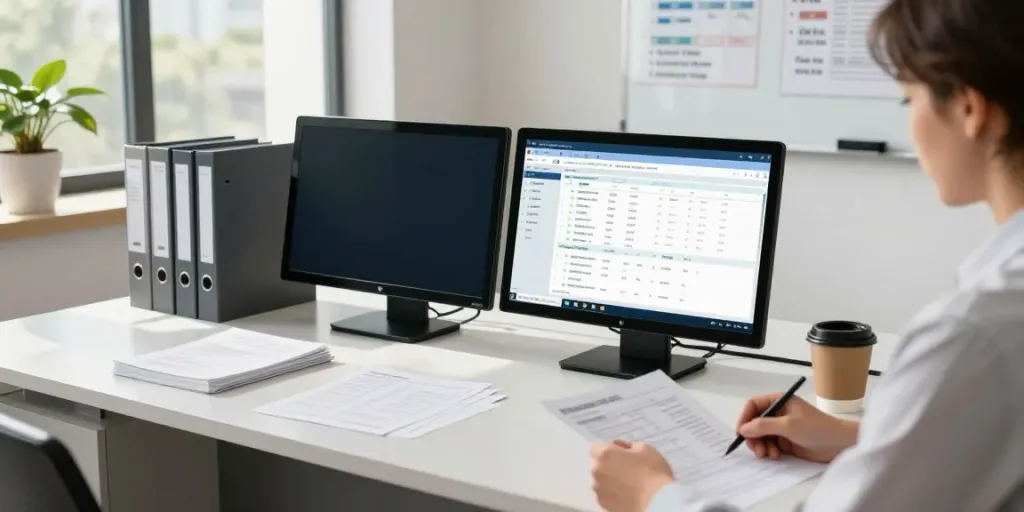
Understanding Tax Software for Tax Pros
In today's fast-paced financial landscape, tax professionals are increasingly reliant on sophisticated tools to streamline their processes and enhance client satisfaction. Tax software for tax pros has emerged as a pivotal solution, enabling preparers to navigate complex regulations and maximize efficiency. But what exactly constitutes tax software, and how can it elevate your tax business? This article will guide you through the essentials of tax software, its benefits, and the considerations involved in selecting the right solution for your needs. When exploring options, Tax Software for tax pros provides comprehensive insights into the latest technologies that can transform your practice.
What is Tax Software and Its Purpose?
Tax software is specifically designed to assist tax professionals in preparing, filing, and managing tax returns for individuals and businesses. Its primary purpose is to simplify the tax preparation process, ensuring accuracy and compliance with current tax laws. By automating various aspects of tax preparation, such as calculations and document management, tax software allows professionals to focus on more strategic tasks that can drive business growth.
Key Features to Look for in Tax Software
When searching for the right tax software, consider the following key features that can significantly enhance your practice:
- User-Friendly Interface: A seamless and intuitive interface can drastically reduce learning time and improve workflow.
- Multi-User Access: For firms with multiple preparers, multi-user access ensures collaboration without compromising security.
- Comprehensive Reporting Tools: These features allow for customizable reports that can provide insights into client metrics and performance.
- E-Signature Integration: This facilitates quicker approvals from clients, allowing for remote signing capabilities.
- Remote Access: Cloud-based solutions enable tax pros to access their software from anywhere, promoting flexibility and efficiency.
The Importance of User-Friendly Interfaces
A user-friendly interface is crucial for effective tax software. Complex software can lead to frustration and errors, ultimately affecting your service quality. Look for solutions that offer simple navigation, clear labels, and easy-to-access help options. A well-designed interface can save valuable time and improve productivity, making it an indispensable feature in any tax software.
Benefits of Using Tax Software
Efficiency and Speed in Tax Preparation
Utilizing tax software can significantly boost your efficiency. Automated calculations, built-in checks for errors, and rapid data entry features can reduce the time spent on each tax return. Professionals using tax software often report completing returns in half the time compared to manual methods, enabling them to handle a larger client base without compromising quality.
Reducing Errors and Ensuring Compliance
Errors in tax preparation can lead to costly penalties and a loss of client trust. Tax software minimizes human errors by performing automated calculations and validating data entries against current tax laws. Many solutions also offer automated updates to ensure compliance with the latest regulations, giving professionals peace of mind and reducing their liability.
Enhancing Client Relationships with Technology
In an age where client experience is vital, tax software can enhance relationships through improved communication and service delivery. Features such as client portals allow for secure sharing of documents and real-time updates on the status of their filings. By leveraging technology, tax professionals can create a more interactive and transparent process, which is essential for client satisfaction and retention.
Choosing the Right Tax Software
Assessing Your Tax Business Needs
Before investing in tax software, it’s crucial to assess your specific business needs. Consider factors such as the size of your practice, the complexity of returns you handle, and your budget. Smaller firms may benefit from more straightforward solutions, while larger practices with multiple users may require advanced features like multi-user access and robust reporting capabilities.
Comparing Features Across Leading Software
The market is saturated with tax software options, each offering unique features and pricing structures. Conduct thorough comparisons and prioritize features that align with your operational goals. Consider factors such as customer support, ease of use, and integration capabilities with other tools, like CRM systems or accounting software.
Budgeting for Tax Software Solutions
Budgeting is an essential consideration when selecting tax software. While some solutions may appear cost-effective upfront, hidden fees for updates, additional users, or premium features can add up. It's important to evaluate the total cost of ownership and potential return on investment. Investing in quality tax software can yield significant long-term benefits.
Integrating Tax Software with Other Tools
Using CRM Systems for Comprehensive Management
Integrating tax software with Customer Relationship Management (CRM) systems can streamline operations and enhance client service. A CRM can manage client interactions, track leads, and automate communication, resulting in a more organized approach to client management. This integration allows tax professionals to have a 360-degree view of client relationships and improve follow-ups and outreach strategies.
Integrating Digital Marketing Tools
In a competitive market, effective marketing is crucial for attracting new clients. Integrating your tax software with digital marketing tools can help automate campaigns, manage social media, and track online engagement. By utilizing marketing pipelines, tax professionals can reach a broader audience and effectively promote their services, ensuring steady growth.
Automating Workflow for Increased Productivity
Automation is a game-changer in tax preparation. By integrating tax software with workflow automation tools, tax professionals can create streamlined processes that save time and reduce the likelihood of errors. Automating repetitive tasks, such as data entry and follow-up reminders, allows tax professionals to focus on higher-value activities, enhancing overall productivity.
Future Trends in Tax Software for 2026
Emerging Technologies and Innovations
The future of tax software is poised for transformation with emerging technologies like artificial intelligence and machine learning. These innovations can improve data analysis, identify potential deductions, and provide personalized recommendations based on client history. By adopting these technologies, tax professionals can enhance the accuracy and efficiency of their services.
Increased Demand for Multi-Language Support
As the demographic landscape continues to evolve, the demand for tax software that offers multi-language support is rising. This capability not only expands the client base but also facilitates better communication with non-English speaking clients. Tax software providers will increasingly focus on delivering solutions that cater to diverse linguistic needs, ensuring inclusivity in service delivery.
Focus on Security and Data Privacy in Tax Software
With the growing concern over data breaches and privacy issues, security features in tax software will take center stage. Professionals will need to prioritize software that offers robust security measures, such as encryption, two-factor authentication, and secure client portals. Ensuring the safety of sensitive information will be paramount in maintaining client trust and compliance with regulations.
What Features Will Matter Most in 2026?
Looking ahead to 2026, features that prioritize user experience, integration capabilities, and enhanced data analytics will be the most sought after. Tax professionals will require software that not only meets current standards but also adapts to future regulatory changes and technological advancements. Staying ahead in the competitive landscape will depend on embracing innovative solutions that drive efficiency and client satisfaction.
What is the best tax software for tax professionals?
The best tax software for tax professionals will vary based on individual needs, but key considerations include user-friendliness, integration capabilities, and robust support features. Solutions that offer customization and scalability will cater to a diverse range of tax practices.
How can tax software improve my tax business?
Tax software can enhance your practice by streamlining workflows, reducing errors, and providing insights that drive business growth. Improved efficiency and accuracy in tax preparation lead to higher client satisfaction and retention rates.
Are there cost-effective tax software options for small businesses?
Yes, many tax software providers offer solutions tailored to small businesses that balance affordability with essential features. It's important to identify a product that meets your specific needs without unnecessary complexity.
What are the advantages of cloud-based tax software?
Cloud-based tax software provides several advantages, including remote access, automatic updates, and reduced infrastructure costs. This flexibility allows tax professionals to work anytime, anywhere, which is increasingly important in the modern work environment.
How often should I update my tax software?
Tax software should be updated regularly to ensure compliance with the latest tax regulations and to benefit from new features and security enhancements. Most providers offer updates at least once a year, coinciding with tax season.