The Historical Significance of the Wudu Basin
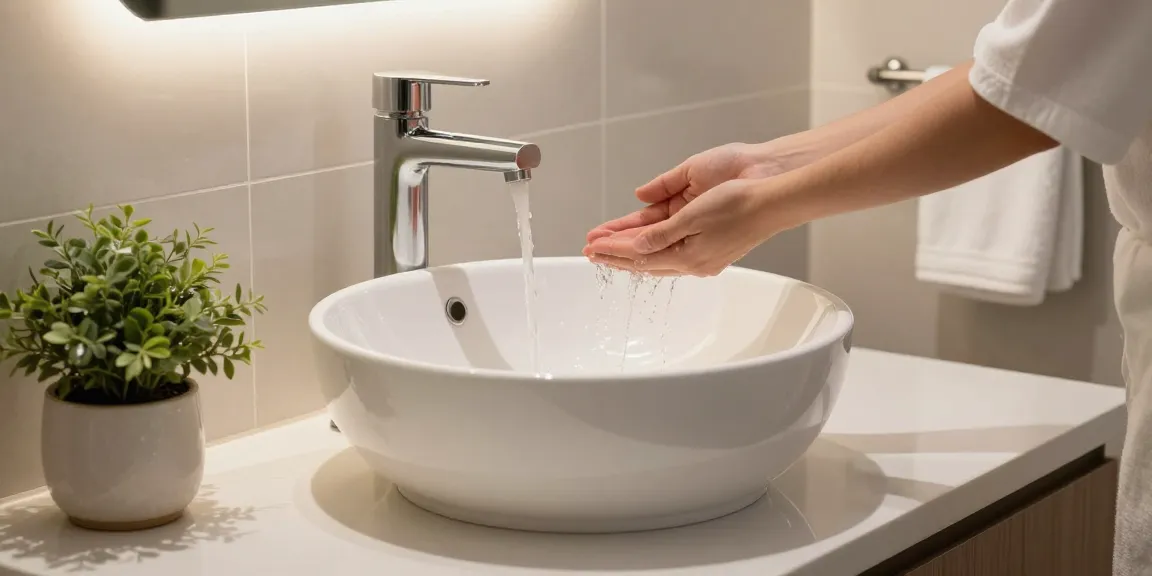
The Wudu basin holds a profound significance in various cultural and religious practices, particularly in Islamic traditions. Originating from the Arabic word ‘Wudhu’, which means ‘purification’, the Wudu basin serves not only as a functional piece of sanitary ware but also as a symbol of spiritual cleansing. This ritual practice of ablution is essential before performing prayers, signifying the importance of cleanliness and purity in spirituality.
Origins of Wudu Practices
Wudu practices date back to the early days of Islam, associated with the teachings of the Prophet Muhammad, who emphasized purity as a prerequisite for prayer. The need for specific basins for ablution arose as Muslim communities grew, each seeking a dedicated space for this sacred act. From the simplicity of natural water sources to the creation of designated wash areas, the evolution has been significant. Over time, the Wudu basin has transformed from basic constructions of stone or wood into sophisticated pieces of modern design, integrating both utility and aesthetics.
Traditional Materials and Designs
Historically, Wudu basins were crafted using locally available materials. Traditional designs often featured ornate carvings and inscriptions, reflecting cultural artistry. Materials like marble and ceramics were popular for their beauty and durability. However, these basins had limitations, including weight and susceptibility to stains and damage. Today, advancements in materials science have introduced solid surface technology, allowing for the creation of durable, easy-to-clean Wudu basins that meet the needs of contemporary users.
Transition to Modern Sanitary Ware
The transition to modern Wudu basins encapsulates a broader trend in sanitary ware towards innovation and usability. Manufacturers, like KingKonree, have responded to the growing demand for hygienic and aesthetic bathroom solutions. Furthermore, these modern designs often incorporate ergonomic principles, ensuring comfort and ease of use for all individuals regardless of their physical ability.
Innovations in Wudu Basin Design
As the world progresses towards sustainable living, the design of the Wudu basin has evolved significantly. Today’s Wudu basins are not just about performance; they also reflect a commitment to innovation and environmental responsibility.
Material Advancements in Solid Surface Technology
Solid surface materials have revolutionized the production of Wudu basins. These materials are non-porous, allowing for a hygienic surface that resists stains, bacteria, and mold. Unlike traditional ceramics or metals, solid surface technology permits seamless designs, eliminating crevices where dirt can accumulate. This innovation enhances the longevity and maintenance of the basin while providing a contemporary look that suits modern architectural styles.
Ergonomic and Aesthetic Enhancements
Modern Wudu basins prioritize user comfort. Ergonomic designs consider factors like height and reach, making it easier for individuals of all ages and abilities to perform ablutions. Furthermore, aesthetic enhancements such as sleek lines, various color options, and customizable designs contribute to their integration into diverse architectural styles. This adaptability allows Wudu basins to be a focal point in both residential and commercial spaces, blending functionality with elegance.
Environmental Considerations and Sustainability
In recent years, environmental sustainability has become a central theme in product design. Wudu basins made from recycled or sustainably sourced materials reduce environmental impact while still meeting modern standards of quality and style. Manufacturers are increasingly adopting practices that minimize waste in production and promote recyclability at the end of the product’s lifecycle.
Choosing the Right Wudu Basin for Your Space
Selecting the perfect Wudu basin requires consideration of several factors, ensuring it fits both your functional needs and aesthetic preferences. Here are key aspects to evaluate when making your choice.
Space and Size Considerations
When choosing a Wudu basin, the available space is paramount. Consider the dimensions of the area where the basin will be installed. A compact basin may be ideal for smaller bathrooms, while larger, more elaborate designs can serve as stunning features in expansive spaces. Always allow for adequate space around the basin for ease of movement.
Design Styles and Personalization Options
Wudu basins come in a myriad of styles, from minimalist designs that speak to contemporary trends to more traditional options that reflect cultural heritage. Manufacturers often provide opportunities for personalization, allowing customers to select colors, finishes, and additional features to create a basin that harmonizes with their overall décor.
Functionality and Ease of Maintenance
Functionality is critical in selecting a Wudu basin. Look for features such as a built-in drainage system, easy-to-clean surfaces, and materials that resist staining and scratches. Additionally, consider the ease of maintenance over time; basins that require minimal upkeep can save both time and resources while ensuring a clean and inviting space for users.
Installation and Best Practices
Proper installation of a Wudu basin is essential for ensuring its longevity and functional efficacy. Below are steps and tips to guide you through the installation process.
Step-by-Step Installation Guide
- Begin by measuring the designated area for the Wudu basin to ensure a proper fit.
- Secure all necessary plumbing connections, including water supply and drainage systems.
- Position the basin according to the manufacturer’s instructions, ensuring it is level and secure.
- Seal any joints to prevent leaks using a suitable waterproof sealant.
- Conduct a thorough check of all connections to ensure functionality before usage.
Common Installation Mistakes to Avoid
Avoiding common pitfalls during installation can save both time and expense. Be cautious of the following:
- Neglecting to check the alignment of plumbing connections.
- Failing to properly seal joints, leading to leaks.
- Choosing incorrect or incompatible fittings that may lead to failures.
- Overlooking local building codes and regulations that apply to installation.
Maintenance Tips for Longevity
To ensure your Wudu basin remains in excellent condition, regular maintenance is necessary. Here are some tips:
- Clean the surface regularly with mild soap and water to prevent buildup of dirt and grime.
- Avoid harsh chemicals that can damage the surface finish.
- Inspect seals and fittings periodically for leaks and wear.
- Address any scratches or damages promptly to maintain the basin’s integrity.
The Future of Wudu Basins: Trends and Predictions for 2026
As society continues to evolve, so will the design and functionality of the Wudu basin. Exploring upcoming trends can provide insight into what to expect in the near future.
Smart Technology Integration
The integration of smart technology into home fixtures is on the rise, and Wudu basins are likely to follow suit. Future designs may incorporate touchless faucets, integrated water temperature controls, and sensors to enhance the user experience and promote water conservation.
Trends in Minimalist Design
Minimalism continues to dominate design preferences, emphasizing simplicity and ease of use. Wudu basins in 2026 may feature clean lines and subdued aesthetics, allowing users to focus on the ritual of ablution without unnecessary distractions. This trend signifies a movement towards creating serene spaces within homes and public areas.
Global Adaptations and Cultural Significance
As globalization persists, Wudu basins may reflect diverse cultural influences, adapting designs to suit various religious practices beyond Islam. Expect to see innovations that honor traditional aesthetics while meeting modern demands, enhancing the universal importance of cleanliness and ritual across cultures.
What is a Wudu basin?
A Wudu basin is a specially designed wash basin used primarily in Islamic ablution rituals. It facilitates the washing of specific body parts in preparation for prayer, emphasizing the importance of cleanliness in spiritual practices.
How do I maintain my Wudu basin?
Regular maintenance involves cleaning with mild detergents, avoiding harsh chemicals, and checking for any leaks or damages. Proper care ensures its longevity and functionality.
Are Wudu basins environmentally friendly?
Modern Wudu basins can be environmentally friendly, especially those made from sustainable materials and designed for water efficiency, contributing to conservation efforts.
What materials are best for Wudu basins?
High-quality solid surface materials are ideal due to their durability, ease of maintenance, and resistance to staining and bacteria.
How has the Wudu basin evolved over the years?
The Wudu basin has evolved from simple, traditional designs to sophisticated, ergonomic, and aesthetically pleasing pieces, incorporating modern materials and technology to enhance functionality and user experience.