Understanding Fine Chemicals: An Industry Overview
Fine chemicals are specialized chemical products produced in limited quantities, primarily used as ingredients in various industries including pharmaceuticals, agriculture, and electronics. Unlike bulk chemicals, which are produced in large volumes and are often commodity-like substances, fine chemicals are characterized by their high purity, complex structure, and specific application functionalities. This distinction makes fine chemicals suppliers pivotal in the supply chain, as they not only provide the raw materials but also ensure that these materials meet specific quality standards essential for the downstream manufacturing processes. When exploring options, fine chemicals supplier offers comprehensive insights into sourcing and production practices that meet business needs.
What Are Fine Chemicals?
Fine chemicals are typically defined as chemical products that are manufactured in small quantities, which require detailed specifications and a high degree of purity. They can be categorized into several groups, including active pharmaceutical ingredients (APIs), agrochemicals, flavors, fragrances, and specialty polymers. The production process for fine chemicals often involves complex synthetic pathways and may require multiple steps and purification processes, leading to a higher cost compared to bulk chemicals.
The Role of Fine Chemicals Supplier in Manufacturing
Fine chemicals suppliers play a crucial role in the manufacturing ecosystem by providing essential materials that adhere to strict regulatory and quality standards. They act as the bridge between chemical manufacturers and other industries, ensuring a steady supply of necessary components for product development. This relationship is critical, particularly in sectors like pharmaceuticals, where the efficacy and safety of medicinal products hinge on the quality of fine chemicals used in their formulation.
Market Trends for Fine Chemicals in 2026
The fine chemicals market is poised for significant growth over the next few years, with projections indicating an increase in demand driven by advancements in technologies and a growing focus on sustainable practices. Key trends include a shift towards more environmentally friendly production methods, increased investment in R&D for new applications of fine chemicals, and a rising demand for personalized medicine in the pharmaceutical sector. By 2026, the market is expected to exhibit a compounding annual growth rate (CAGR) as industries adapt to changing consumer needs and regulatory requirements.
Quality Assurance in Fine Chemical Production
Importance of Quality Control Systems
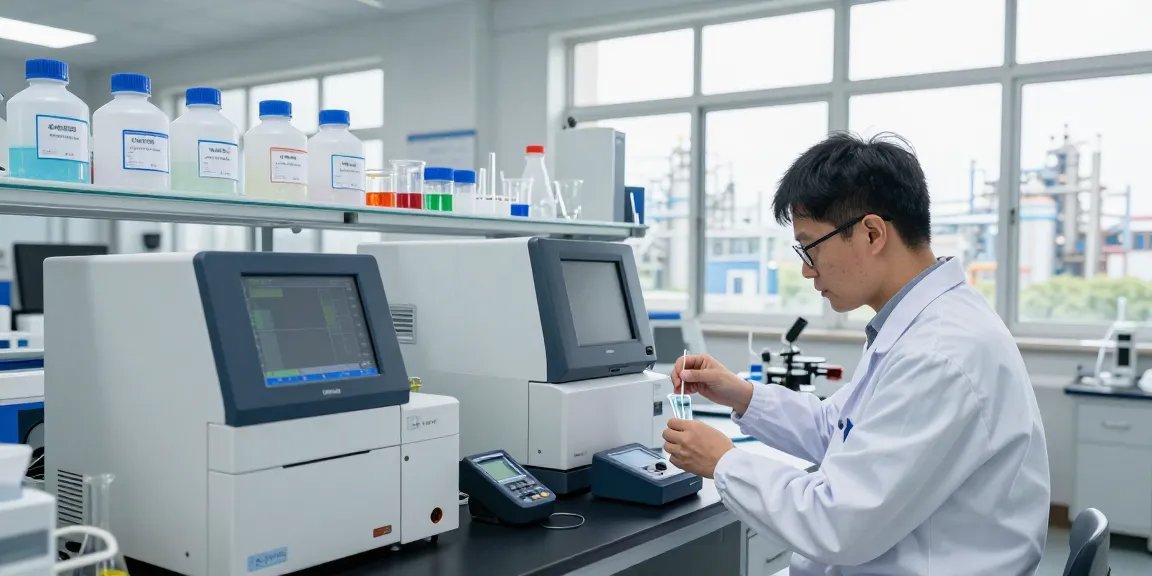
In the fine chemicals industry, quality control systems are paramount to ensure that products meet the required specifications and are safe for use in sensitive applications like healthcare and food production. These systems encompass rigorous testing protocols at every stage of production, from raw material sourcing to the final product. Implementing robust quality control measures not only helps in maintaining product integrity but also builds trust with clients and regulatory bodies.
Standards and Certifications for Fine Chemicals Suppliers
Fine chemicals suppliers must adhere to stringent standards and certifications such as ISO 9001 for quality management, ISO 14001 for environmental management, and cGMP (current Good Manufacturing Practices) in pharmaceuticals. These certifications signal a supplier’s commitment to producing high-quality chemicals and illustrate their adherence to regulatory requirements, which is crucial for gaining a competitive edge in the market.
Challenges in Maintaining Quality and Purity
Despite the emphasis on quality assurance, fine chemicals suppliers face numerous challenges in maintaining the purity and quality of their products. Fluctuations in raw material quality, contamination during production, and operational inefficiencies can all compromise the final product. Additionally, the increasing complexity of chemical formulations demands constant monitoring and adaptation of quality assurance protocols to mitigate these risks.
Applications of Fine Chemicals Across Industries
Fine Chemicals in Pharmaceuticals and Biotechnology
The pharmaceutical industry is one of the largest consumers of fine chemicals, with applications ranging from the production of active pharmaceutical ingredients to excipients and intermediates. The precision required in these applications makes fine chemicals indispensable, as even minor variations can affect drug efficacy and safety. Biotechnology, too, relies heavily on fine chemicals for the development of biologics and novel therapeutics.
Applications in Agrochemicals: Pesticides and Fertilizers
In agriculture, fine chemicals are used to formulate pesticides and fertilizers that enhance crop yield and protect against pests. The growing demand for sustainable agricultural practices is driving innovations in this sector, leading to the development of eco-friendly and bio-based alternatives that require precision in their chemical composition and formulation.
Emerging Uses in Electronics and Nanotechnology
Fine chemicals are also finding new applications in electronics, particularly in the production of semiconductors and nanomaterials. Their unique properties allow for the creation of highly specialized components that are crucial for the performance of modern electronic devices. As technology continues to advance, the demand for tailored fine chemicals in these fields is expected to grow substantially.
Challenges Faced by Fine Chemicals Suppliers
Regulatory Compliance and Environmental Impact
Regulatory compliance presents a significant challenge for fine chemicals suppliers, as they must navigate a complex landscape of local and international regulations. The need to comply with environmental standards adds another layer of complexity, as suppliers must implement sustainable practices in their operations to minimize environmental impact while maintaining product quality.
Supply Chain Issues and Raw Material Sourcing
Raw material sourcing poses a considerable challenge, especially in the face of geopolitical uncertainties and supply chain disruptions. Suppliers often rely on a global network of sources, which can be affected by logistical issues, tariffs, and supplier reliability. Ensuring a consistent supply of high-quality raw materials is critical for maintaining production schedules and meeting client demands.
How Suppliers Adapt to Market Changes
To remain competitive, fine chemicals suppliers must be agile and responsive to market changes. This may involve diversifying their portfolio, investing in new technologies, or forging strategic partnerships to enhance their capabilities. By staying ahead of market trends and customer needs, these suppliers can effectively navigate the challenges of an ever-evolving chemical landscape.
The Future of Fine Chemicals Suppliers: Innovations Ahead
Emerging Technologies in Fine Chemicals Manufacturing
Innovations in manufacturing technologies are reshaping the landscape for fine chemicals suppliers. Techniques such as continuous flow chemistry and green chemistry are becoming increasingly prevalent, allowing for more efficient production processes that reduce waste and energy consumption. These technologies not only improve profitability but also align with growing consumer demand for sustainable products.
Sustainability Practices for Fine Chemicals Suppliers
As environmental concerns grow, fine chemicals suppliers are implementing sustainability practices aimed at reducing their ecological footprint. This includes adopting renewable energy sources, optimizing resource use, and developing greener chemical processes that minimize hazardous waste. Such initiatives are not merely regulatory responses; they are becoming essential components of a successful business strategy in a socially conscious market.
Predictions for Market Growth and Demand in 2026
Looking ahead to 2026, the fine chemicals market is expected to witness robust growth driven by increased demand across a range of applications. The push for sustainable solutions and innovations in manufacturing will catalyze this growth, with suppliers positioned to address emerging challenges and capitalize on new opportunities. As industries become more interdependent, the role of fine chemicals suppliers in ensuring quality, safety, and sustainability will be more critical than ever.
What is the role of a fine chemicals supplier in product quality?
A fine chemicals supplier is responsible for sourcing and delivering high-purity materials that meet specific regulatory standards, directly affecting the quality of the final products manufactured by their clients.
How do fine chemicals differ from bulk chemicals?
Fine chemicals are produced in smaller quantities, often for specialized applications requiring high purity and precise formulations, while bulk chemicals are manufactured in large volumes and usually serve commodity markets.
What are some key applications of fine chemicals in various industries?
Key applications include pharmaceuticals, where they serve as active ingredients; agrochemicals, where they are used in pesticides and fertilizers; and electronics, particularly in the production of specialty components.
What challenges do fine chemicals suppliers face in 2026?
By 2026, fine chemicals suppliers will grapple with regulatory compliance, raw material sourcing issues, and the need to adapt to rapidly changing market demands while maintaining product quality.
How are fine chemicals suppliers addressing sustainability?
Fine chemicals suppliers are increasingly adopting sustainable practices by investing in green chemistry, optimizing resource utilization, and developing environmentally friendly products to meet consumer demand and comply with regulations.