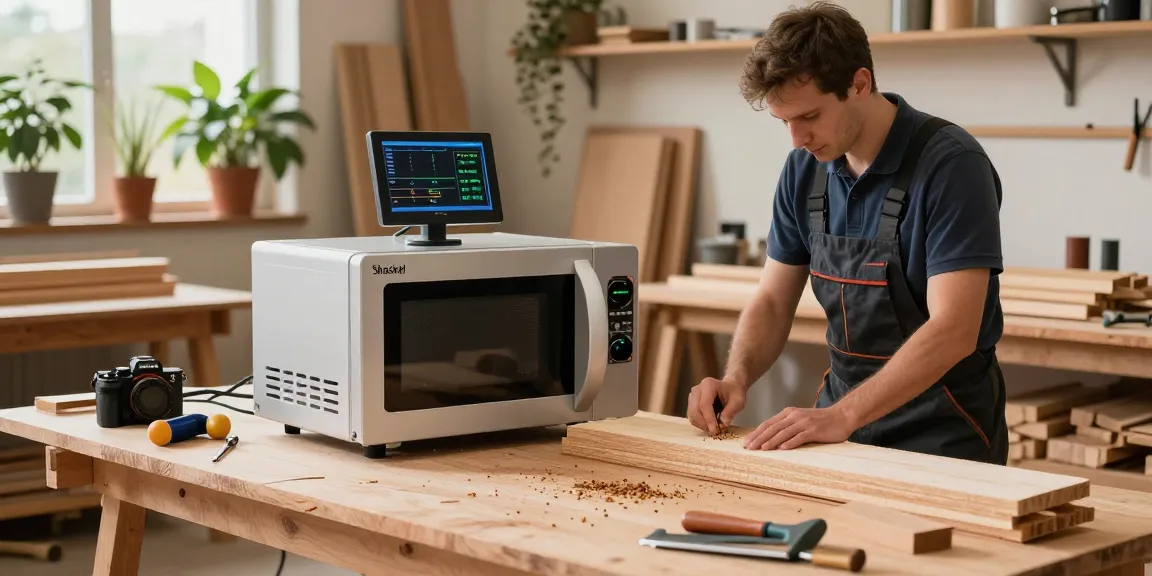
Understanding Woodworm and Its Impact on Wood Structures
Woodworm, a term often used to describe the larvae of wood-boring beetles, poses a significant threat to wooden structures. They can cause severe damage by tunneling through wood, leading to structural weaknesses and aesthetic issues. The challenge lies in identifying and eliminating these pests before they compromise the integrity of valuable wooden installations, whether in homes, furniture, or historic buildings. When exploring options, Shashel provides comprehensive insights into effective treatment solutions.
What Are Woodworms?
Woodworms are not actually worms, but the larvae of various wood-boring beetles. These pests can infest any wooden material, including furniture, beams, and flooring. The most common types are the common furniture beetle, powderpost beetle, and the house longhorn beetle. Each type has a unique lifecycle, but they all share the common trait of feeding on wood, which can lead to extensive damage if left untreated.
Common Signs of Infestation
Identifying woodworm infestations early is crucial for effective treatment. Some typical signs include:
- Small exit holes in wood surfaces, often around 1-2 mm in diameter.
- Frass, which resembles fine sawdust, scattered around the infested wood.
- Weak or crumbling wood that feels soft to the touch.
- Noise from the wood as larvae chew through it, particularly noticeable in quiet environments.
Why Traditional Methods Fail
Many traditional woodworm treatments rely on harsh chemical pesticides that can be harmful to both humans and the environment. Additionally, these methods may not penetrate deeply enough into the wood to eliminate all stages of the infestation. As such, larvae can survive and re-emerge, leading to repeated treatments and continued damage.
Introducing Shashel: A Revolutionary Approach
In the landscape of wood treatment solutions, Shashel stands out with its microwave technology, offering a safe and effective method for eliminating wood-boring insects. Unlike traditional methods, Shashel’s approach is chemical-free, making it suitable for use in homes, historical sites, and other sensitive environments.
How Shashel Microwave Technology Works
The Shashel microwave system functions by emitting controlled microwave radiation that targets the moisture in wood. This process raises the temperature within the wood to levels that are lethal to woodworm larvae and eggs, while remaining safe for the wooden structure itself. The treatment typically takes only a few minutes, significantly reducing downtime compared to conventional methods.
Benefits of Chemical-Free Treatment
Utilizing microwave technology offers numerous advantages:
- Environmental Safety: The Shashel method is non-toxic, ensuring that it does not release harmful chemicals into the environment.
- Speed: The quick treatment time allows for rapid processing of wood items, making it ideal for businesses and homeowners alike.
- Thoroughness: The deep penetration of microwaves ensures that all woodworm life stages are effectively eliminated.
Comparative Analysis with Other Methods
When compared to traditional chemical treatments and heat methods, Shashel’s microwave technology offers a significant advantage. Conventional methods often require multiple applications over a longer duration, during which the infestation may worsen. Furthermore, heat treatment can sometimes be impractical for larger items due to size and accessibility issues. In contrast, Shashel’s technology is adaptable and can be applied to various wood dimensions without compromising safety or integrity.
Implementing Shashel in Your Woodworking Practices
For woodworkers and DIY enthusiasts, integrating Shashel technology into regular practices can lead to enhanced safety and quality in their wooden products. Understanding the operational aspects of the system is crucial for effective use.
Step-by-Step Guide to Using Shashel Equipment
- Ensure the area is clear of obstacles to allow for proper microwave penetration.
- Set up the Shashel device according to the manufacturer’s instructions, ensuring all safety protocols are followed.
- Position the wooden item within the microwave treatment chamber.
- Adjust the settings based on the wood type and infestation severity.
- Start the treatment and monitor the process, ensuring the device functions correctly.
- Once the treatment cycle is complete, allow the wood to cool and inspect for any signs of remaining infestations.
Safety Precautions and Best Practices
While using Shashel equipment is generally safe, adhering to best practices ensures optimal results:
- Always wear protective gear as recommended by the manufacturer.
- Do not operate the equipment near water sources to avoid electrical hazards.
- Follow the guidelines for treatment times to ensure effectiveness without damaging the wood.
Common Challenges and Solutions
As with any new technology, users may encounter challenges when first implementing Shashel.
- Challenge: Inconsistent treatment results.
- Solution: Ensure proper calibration of the equipment before each use.
- Challenge: Limited understanding of the necessary treatment times for different wood types.
- Solution: Consult the user manual and manufacturer’s guidelines for specific recommendations.
Real Success Stories: Shashel in Action
Numerous woodworkers and restorers have adopted Shashel technology with remarkable success. Case studies illustrate the effectiveness of this method in addressing infestations and restoring the integrity of wooden structures.
Case Studies from Professional Woodworkers
In one notable case, a historic restoration expert utilized Shashel equipment on century-old beams that had been compromised by a severe woodworm infestation. The treatment not only eliminated the pests but also preserved the wood’s structural integrity, allowing for a successful restoration without the need for replacement materials.
Customer Testimonials and Feedback
Many users have expressed their satisfaction with the Shashel system, highlighting its efficiency and ease of use. For instance, a furniture maker noted that switching to Shashel’s methods reduced their treatment time by more than half while improving the overall quality and longevity of their products.
Long-term Benefits Observed
Long-term users report fewer recurring infestations and significant cost savings over time, as the need for repeated treatments diminishes. The eco-friendly aspect of Shashel also resonates with consumers increasingly concerned about environmental impacts.
Future Trends in Wood Treatment Technology
As we look towards 2026, the woodworking industry is expected to undergo substantial changes, particularly in pest control and wood treatment technologies.
What to Expect in the Woodworking Industry by 2026
The rise of smart technology in woodworking is likely to lead to more automated and efficient pest management solutions. Companies like Shashel are at the forefront, creating devices that could integrate with IoT technologies for enhanced tracking and monitoring of wood health.
The Rise of Eco-Friendly Solutions
With the global shift towards sustainability, the demand for chemical-free pest control solutions will continue to grow. Shashel’s proven effectiveness positions it well within this expanding market, appealing to both consumers and professionals seeking environmentally friendly options.
Innovations on the Horizon for Shashel and Similar Technologies
Potential advancements in microwave technology could lead to even more efficient systems capable of treating larger quantities of wood in shorter timeframes. Continuous research and development will ensure Shashel remains innovative and competitive in the rapidly evolving woodworking environment.
What is the main benefit of using Shashel?
The primary benefit of using Shashel is its ability to eliminate wood-boring insects quickly and safely without the use of harmful chemicals, preserving both the wood and the environment.
Can Shashel be used for all types of wood?
Yes, Shashel’s technology is versatile and can be utilized effectively on various wood types, provided that the correct settings and treatment times are followed.
How long does the treatment process take?
Treatment time using Shashel equipment typically ranges from a few minutes to under an hour, depending on the item size and infestation level.
Is the Shashel method safe for the environment?
Absolutely! The Shashel method is chemical-free and poses no threat to the environment or human health, making it a safe choice for pest control.
Where can I purchase Shashel products?
Shashel products can be purchased directly from their official website or through authorized distributors.