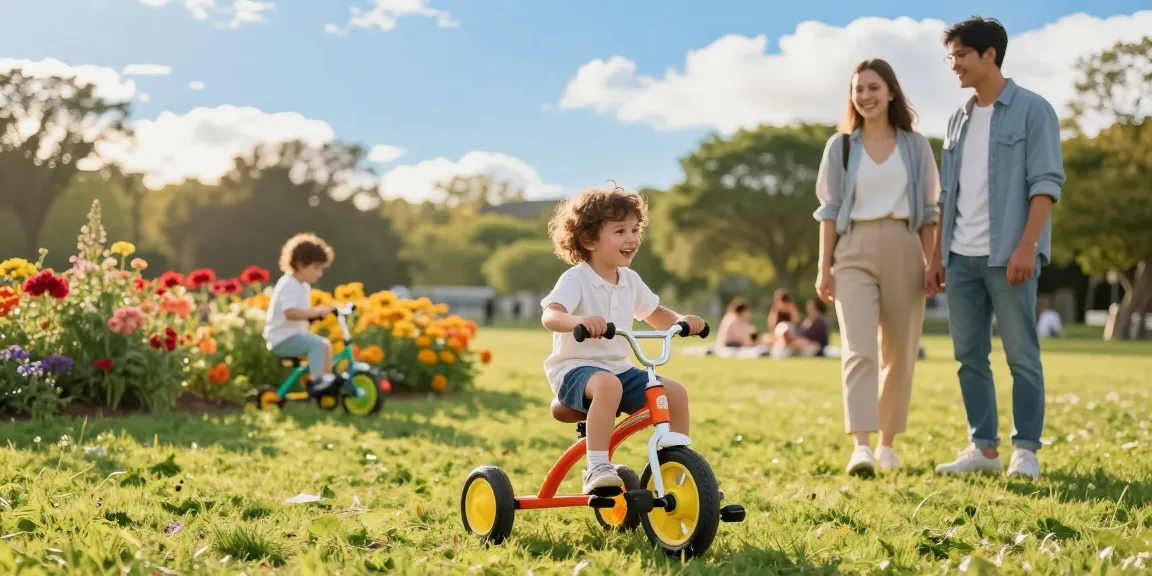
Introduction to Kids Tricycles
Kids tricycles have long been cherished by children and parents alike, providing a perfect balance between fun and stability. Unlike bicycles, tricycles offer an extra wheel, making them particularly suited for younger riders who are still developing their balance and coordination skills. In 2026, the market for kids tricycles is more vibrant than ever, with innovative designs, safety features, and a wide array of options available to suit every child’s needs and preferences. When exploring options, best kids tricycles provide comprehensive insights into what is available today.
What are the Best Kids Tricycles?
The best kids tricycles blend safety, comfort, and functionality. Factors that distinguish exceptional models include lightweight designs for easier maneuverability, adjustable seats to accommodate growth, and high-quality materials to withstand wear and tear. Brands like Scout have made a name for themselves by offering tricycles that align with these attributes, ensuring that children can enjoy their rides while parents have peace of mind.
Benefits of Riding Tricycles for Children
Riding tricycles offers numerous benefits for children. Firstly, they promote physical activity, which is essential for overall health and development. Pedaling a tricycle helps strengthen leg muscles and improve cardiovascular health. Secondly, tricycles are a fantastic tool for developing coordination and balance, skills that are vital as children grow and transition to two-wheelers. Lastly, tricycling can foster independence; children gain confidence as they learn to ride on their own, exploring their environment safely.
Understanding Different Types of Kids Tricycles
- Standard Tricycles: These are the traditional models with three wheels, suitable for toddlers and young children. They focus on stability and ease of use.
- Folding Tricycles: Perfect for families with limited storage space, these models can be collapsed for easy transport.
- Electric Tricycles: Known for their pedal-assist capabilities, electric tricycles enable children to ride longer distances with less effort, making them ideal for adventurous families.
Historical Overview of Kids Tricycles
The Evolution of Design and Features
The design of kids tricycles has come a long way since their inception. Early models were often made of wood, featuring minimal safety features. Over time, advancements in materials have led to the use of lightweight metals and durable plastics. Today’s tricycles are designed with comfort and safety in mind, incorporating features like padded seats, safety harnesses, and reflective materials for visibility.
Key Milestones in Kids Tricycle Development
One significant milestone in the development of kids tricycles was the introduction of adjustable seating, allowing a single tricycle to grow with the child. Another important advancement was the integration of safety features such as braking systems that are easy for children to use. This evolution not only enhances safety but also encourages more frequent use, as parents feel more secure allowing their children to ride independently.
How Safety Standards Have Changed
Safety standards for kids tricycles have continually evolved. Regulatory bodies now require that tricycles meet specific safety criteria, including stability tests and the use of non-toxic materials. Many modern tricycles are designed to comply with regulations set forth in regions like the UK and Europe, ensuring that they are safe for young riders. These evolving standards are crucial as they help protect children from potential hazards.
Modern Innovations in Kids Tricycles
Advancements in Technology and Materials
In 2026, kids tricycles incorporate advanced technologies that enhance the riding experience. High-strength aluminum frames make tricycles lightweight yet sturdy, while innovative tire designs improve traction and stability. Additionally, brands are now integrating smart technologies such as GPS tracking and mobile app connectivity, allowing parents to monitor their child’s rides in real-time.
Features Parents Look For in Today’s Tricycles
When selecting a tricycle, parents typically prioritize safety features such as harnesses and reliable braking systems. Comfort is also essential; padded seats and ergonomic designs can make a significant difference in a child’s riding experience. Furthermore, parents appreciate tricycles that can be easily adjusted for different heights or can grow with the child, ensuring longevity and value for money.
Popular Brands and Models in 2026
Scout tricycles stand out in the current market due to their commitment to quality and innovation. Models like the Scout Adult Folding Tricycle and the Scout 16” Kids Tricycle emphasize user-friendly features, making them both reliable and fun. Other notable brands include Schwinn and Radio Flyer, each offering a range of styles to cater to various age groups and preferences.
Choosing the Right Tricycle for Your Child
Factors to Consider: Age, Size, and Skill Level
Choosing the right tricycle involves considering several factors. The child’s age and size are critical; tricycles should be appropriately sized to provide the safest and most comfortable riding experience. Additionally, consider the child’s skill level—some children may benefit from a model that offers additional stability, while more adventurous kids might prefer an electric option for increased range.
Top Recommendations for Each Age Group
- Toddlers (1-3 years): Look for lightweight, low-to-the-ground models with safety features such as a parent handle for steering.
- Preschoolers (3-5 years): Tricycles with adjustable seats and a balance of fun and functionality are ideal for this age group.
- Young Kids (5-8 years): Begin transitioning to models with speed options, such as the Scout 20” medium trike with 6-speed capabilities.
Maintenance Tips for Durability and Safety
Regular maintenance is vital to ensure the longevity of any tricycle. Parents should routinely check the tires for proper inflation, inspect the brakes for functionality, and clean the frame to prevent rust. Additionally, lubricating moving parts like the pedals can help ensure smooth operation. Teaching children to properly use their tricycles can also promote responsible habits that extend the lifespan of the product.
Future Trends in Kids Tricycles
Emerging Designs and Features to Watch For
The future of kids tricycles is set to be exciting, with several emerging trends on the horizon. Developments in eco-friendly materials may lead to more sustainable tricycles that are as durable as traditional models but less harmful to the environment. Additionally, customizable designs that allow children to personalize their tricycles could become increasingly popular.
The Role of Sustainability in Tricycle Manufacturing
As consumers become more environmentally conscious, manufacturers are responding by adopting sustainable practices in tricycle production. This includes using recycled materials, reducing waste in manufacturing processes, and creating tricycles that are built to last, rather than designed for planned obsolescence. Parents will likely prioritize brands that are committed to sustainability, reflecting a growing trend in consumer behavior.
Predictions for the Kids Tricycle Market Beyond 2026
Looking ahead, the kids tricycle market is expected to grow as families continue to seek alternatives to traditional vehicles for short trips. An increasing emphasis on outdoor play and physical activity will further fuel demand. Smart technologies integrated into tricycles may become one of the defining features, enhancing safety and providing more interactive experiences for children.
What are the best kids tricycles for toddlers?
For toddlers, the ideal tricycles are those that focus on stability and safety. Models that offer features like lower center of gravity, secure seating, and easy-to-reach handlebars will provide the best experience for young riders. Brands like Scout offer specialized options that cater to this age group.
How do I choose the right tricycle for my child?
Choosing the right tricycle involves assessing your child’s age, size, and riding confidence. Look for adjustable features, safety standards, and materials that are lightweight yet sturdy. A well-informed selection can enhance your child’s riding experience while ensuring their safety.
Are electric tricycles safe for children?
Electric tricycles can be safe for children when designed with age-appropriate features and adhere to safety regulations. Models with speed limits, secure braking systems, and stable designs are essential to ensure safety while providing a fun riding experience.
What maintenance do kids tricycles require?
Kids tricycles require regular maintenance to ensure safety and performance. This includes checking tire pressure, inspecting brakes, cleaning the frame, and regularly lubricating moving parts. By establishing a routine maintenance schedule, parents can ensure that their child’s tricycle lasts for many adventures ahead.
How has technology impacted kids tricycles?
Technology has significantly impacted the design and functionality of kids tricycles. Features like adjustable seats, lightweight materials, and electric assist capabilities have enhanced usability and safety. Additionally, smart technology integration suggests a future where GPS and app connectivity could provide parents with valuable insights into their child’s riding habits.